About
Who We Are?
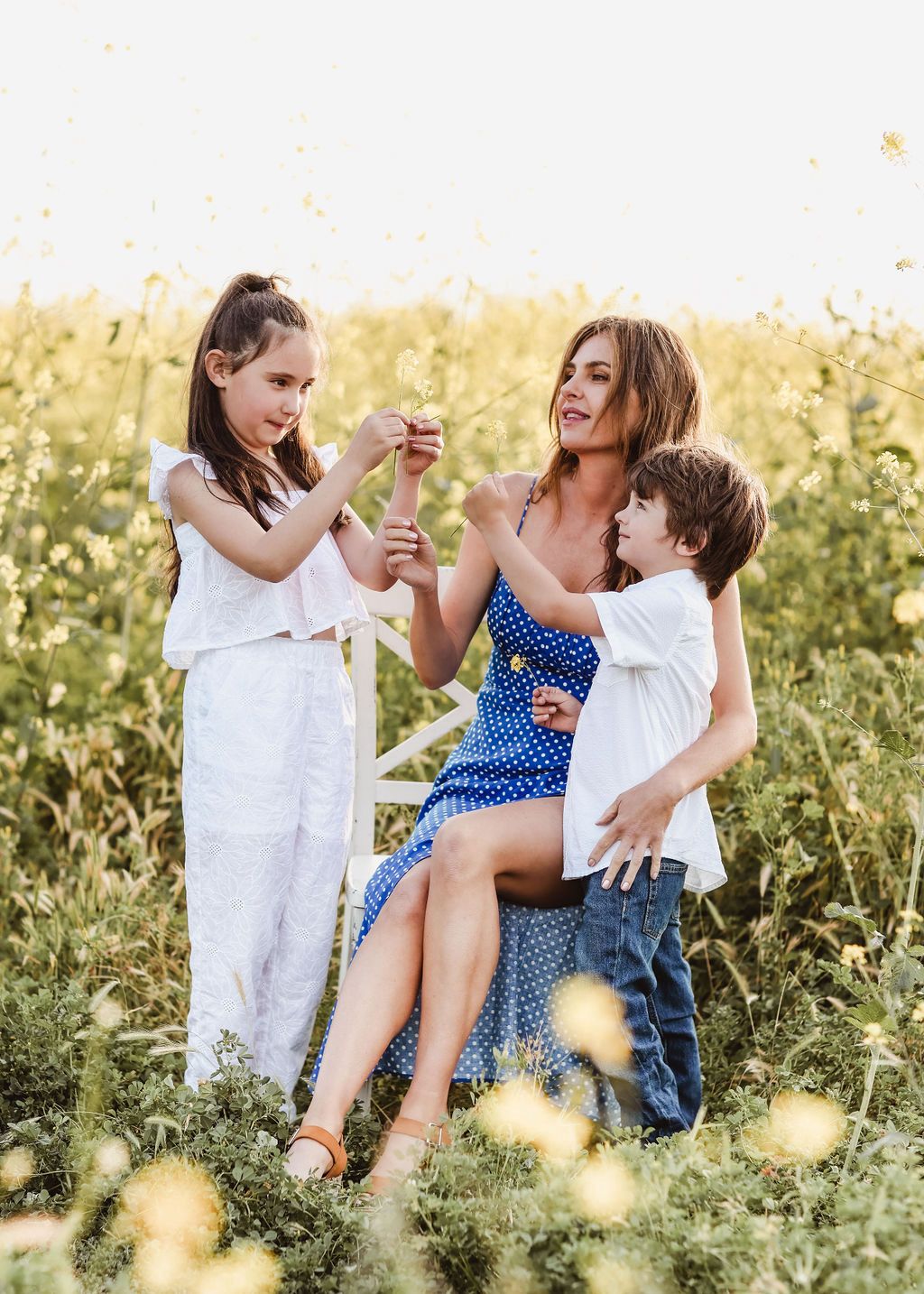
Jessica creates picture books from lived experience—stories shaped by growth through life’s hardest seasons. Her work centers on faith, resilience, and the belief that purpose is often revealed in difficult times. Each book is written and hand-painted alongside her children, who help paint pages, inspire characters, and shape the heart of every story. While created for young readers, the deeper messages are just as meaningful for the adults turning the pages—reminders that strength is built in hardship, that losing yourself can be part of finding yourself, and that joy and meaning can exist on the other side of struggle. She believes the most powerful thing we can build in life is strong, loving relationships with our children, and that stories can help guide families through both hardship and beauty.
About
Our philosophy is rooted in the belief that learning is deeply relational. From birth, children learn through connection, and it’s within safe, supportive relationships that confidence, curiosity, and independence naturally grow.
Research in neuroscience and educational psychology shows that learning is strongest when emotional connection, social interaction, and sensory experience work together. When children feel safe and engaged, the brain forms stronger, more lasting memories—while stress can interfere with learning.
Mentorship is not one-size-fits-all, which is why many traditional models of schooling can fall short. Children and parents should have the right to choose who guides their learning. When supported by caring, attuned mentors, learning becomes more meaningful, personal, and lasting.
Education is not simply the transfer of information—it is a human experience built on connection
Relationship-Based Learning: A Human Learning System
Relationship-based learning is often associated with early childhood education, but it is not limited to young children. It reflects a broader truth about how humans learn throughout life.
From birth onward, people learn through relationships. Infants begin learning through interaction with caregivers—through eye contact, tone of voice, facial expressions, and shared attention. These early experiences introduce the brain to language, emotional cues, and patterns of communication. While these foundations begin early, the importance of relational learning continues across every stage of development.
Research in Neuroscience and Educational Psychology shows that learning becomes more durable when it engages multiple systems in the brain at the same time. Social interaction, emotional relevance, and sensory engagement strengthen neural pathways and make information easier to store and retrieve.
In practical terms, the more senses involved in learning, the stronger the memory tends to be. Hearing information, discussing it with a trusted mentor, observing it demonstrated, and engaging with it hands-on activate different areas of the brain. These layered experiences reinforce one another and deepen understanding.
Relationships naturally support this process. Conversation, shared discovery, and responsive guidance allow children to connect new ideas to prior knowledge. A trusted adult who knows a child’s personality, interests, and pace of learning can often tailor experiences in ways that make concepts more meaningful and memorable.
Because relationships play such a central role in learning, the environment surrounding a child’s education matters. When children learn in settings where adults are able to build strong, consistent connections with them, learning often becomes more personal, engaging, and effective. Thoughtful attention to who guides and mentors children—whether parents, educators, or other trusted adults—can help ensure that learning remains both supportive and intellectually stimulating.
Ultimately, relationship-based learning reflects the way humans are naturally wired to learn: through connection, engagement, and shared experience.